Embedded Insecurity: Dissecting ZTE Modem Architecture
0x01: Introduction
In the world of cybersecurity, legacy hardware is often a goldmine of vulnerabilities. This research focuses on the ZTE 3G/4G Modem, a ubiquitous device that often flies under the radar. My goal is to deconstruct its attack surface, analyze its legacy services, and eventually achieve a foothold in its firmware.
The operating environment for this analysis is Arch Linux, chosen for its granular control over networking tools and direct interaction with hardware protocols.
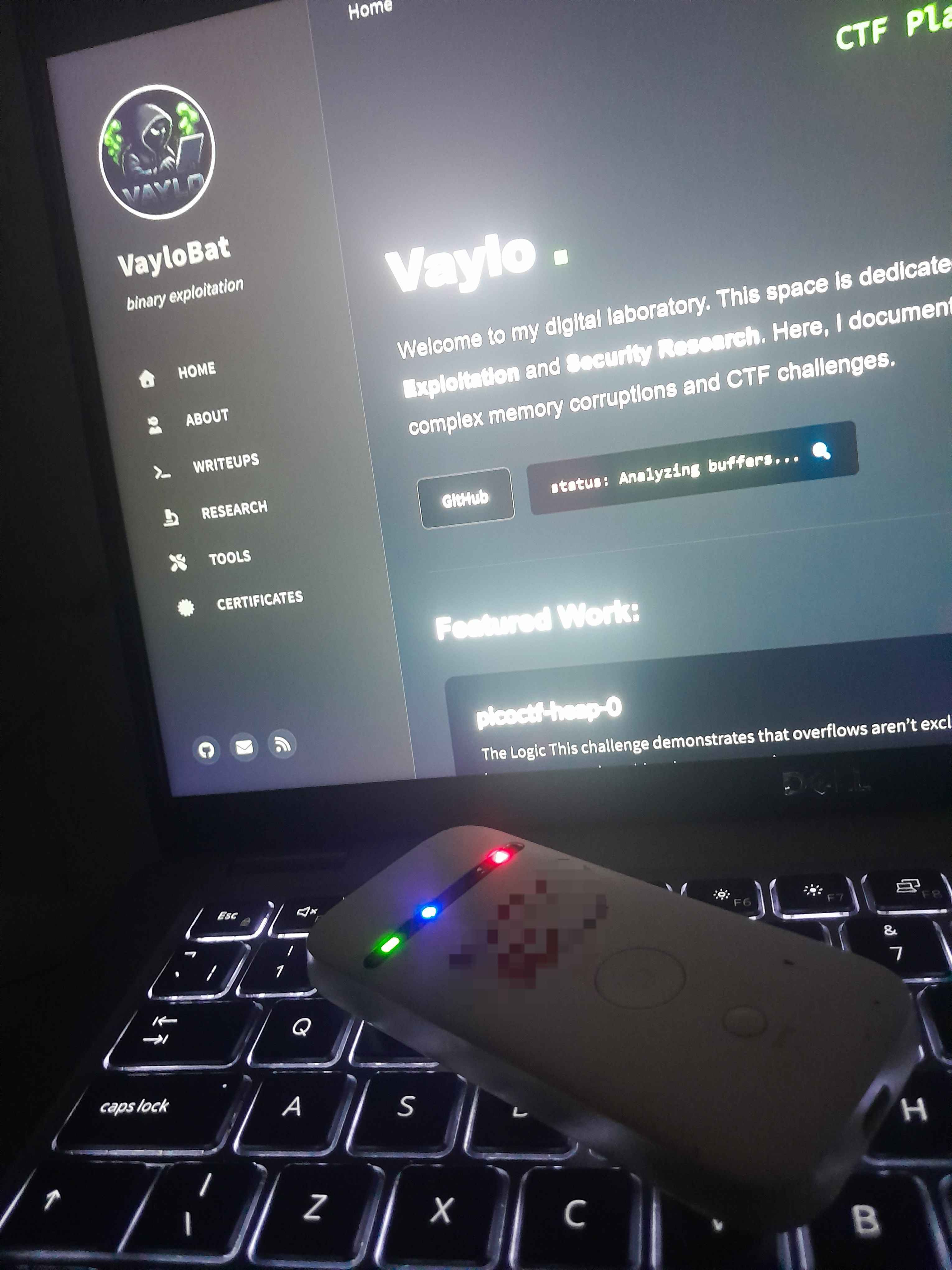
0x02: Reconnaissance & Service Discovery via Arch Linux
The first step in any hardware analysis is mapping the digital entry points. Leveraging the power of Arch and its up-to-date toolchain, I performed a deep scan using nmap to identify active services and their respective versions.
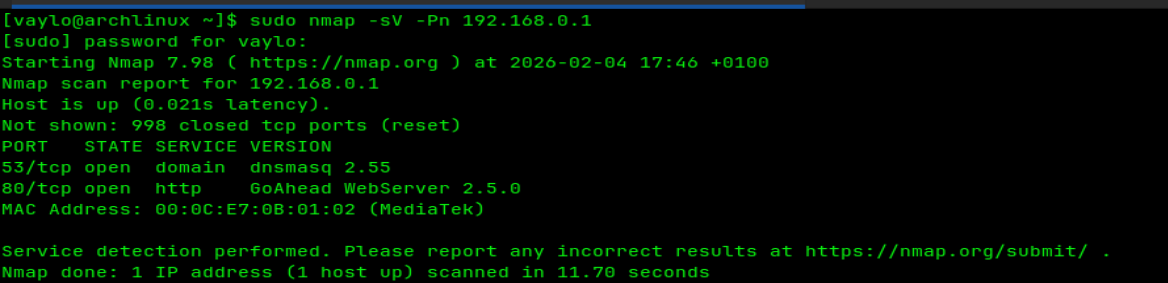
Figure 1: Service fingerprinting using Nmap, identifying GoAhead and Dnsmasq.
Key Findings:
- GoAhead-Webs/2.5.0: An ancient version of the embedded web server. Historically, this version is notorious for buffer overflows and directory traversal vulnerabilities.
- Dnsmasq 2.55: A legacy version of the DNS forwarder. Outdated versions often lack modern heap protections, making them susceptible to memory corruption.
0x03: UDP Services & DNS Protocol Analysis
I moved beyond TCP to analyze UDP services, specifically port 53 (DNS), utilizing the flexibility of networking tools on Arch.
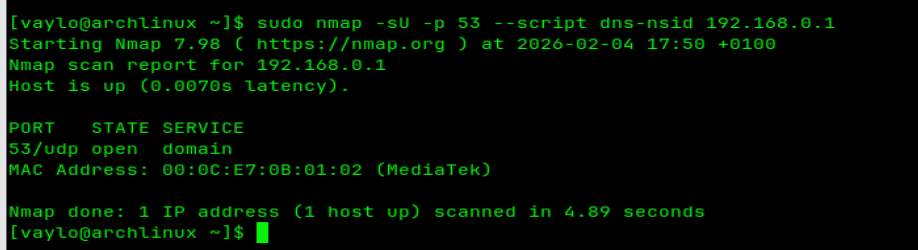
Figure 2: Advanced DNS port scanning via UDP using Nmap scripts.
Scan Breakdown (Figure 2):
- Command: I executed
sudo nmap -sU -p 53 --script dns-nsid 192.168.0.1. - Objective: Used
-sUfor UDP scanning and the--script dns-nsidto attempt to retrieve the Server ID. - Result: Confirmed port 53/udp is open, running behind a MediaTek architecture. This confirms the device acts as the local DNS resolver—a prime target for DNS Poisoning attacks.
0x04: Deep Behavioral Analysis
Interacting with the web server via curl revealed a fascinating “Time Travel” anomaly in the HTTP headers.
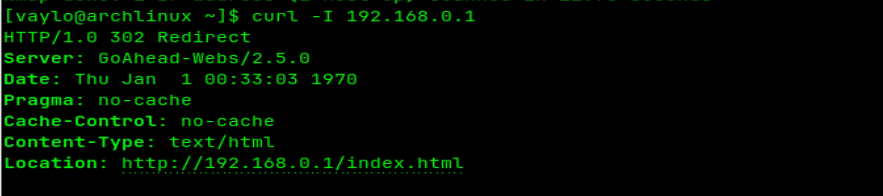
Figure 3: Analysis of HTTP headers revealing the 1970 timestamp.
The device reports the date as January 1, 1970.
Vulnerability Insight: The lack of NTP synchronization or an RTC battery means the device cannot properly validate SSL/TLS certificates. This facilitates Man-in-the-Middle (MitM) attacks, as certificate expiration checks will likely fail or be bypassed.
0x05: Attack Roadmap
Based on the intelligence gathered, I have defined the following attack vectors:
- Vector A (Static Analysis): Firmware extraction to hunt for hidden CGI scripts and hardcoded credentials.
- Vector B (Fuzzing): Sending malformed DNS packets to test memory stability in the
dnsmasqservice.
🚩 To Be Continued…
This is only the beginning of the journey from within Arch Linux. In Part 2, we will move to the hardware layer to extract the firmware directly from the flash chip.
Stay tuned. The deep dive into the firmware starts soon.